
Vegetable Gardening Home: 2026 Guide to Growing Food
Table of Contents
- Planning Your Vegetable Gardening Home Layout
- Soil Preparation for Vegetables: Testing, Compost, and Amendments
- Best Vegetables for Beginners: Easy Crops That Deliver
- Seed Storage Organization for Every Growing Season
- Watering, Mulching, and Fertilizing Your Garden
- Pest Control and Crop Rotation Basics
- Succession Planting for a Year-Round Harvest
- Frequently Asked Questions
Last Updated: September 27, 2026
Planning Your Vegetable Gardening Home Layout
A successful vegetable gardening home starts with one decision you cannot undo later: where you put it. Get the site right and everything after gets easier; get it wrong and you will fight shade, poor drainage, and compacted soil for years. This guide from Moderno Top Shop walks through the full season, from site selection to succession planting.
Site Selection and Sunlight Requirements
Most vegetables need six to eight hours of direct sun per day. Leafy crops such as lettuce and spinach tolerate four to six, but fruiting crops like tomatoes, peppers, and squash will not set fruit reliably in less than six.
Two site factors get overlooked constantly:
- Drainage. Watch where water pools after heavy rain. Vegetables rot in standing water within days.
- Wind. A site exposed to constant wind dries out faster and snaps tall crops. A fence or hedge on the prevailing wind side helps.
Raised Beds vs. Container Gardening
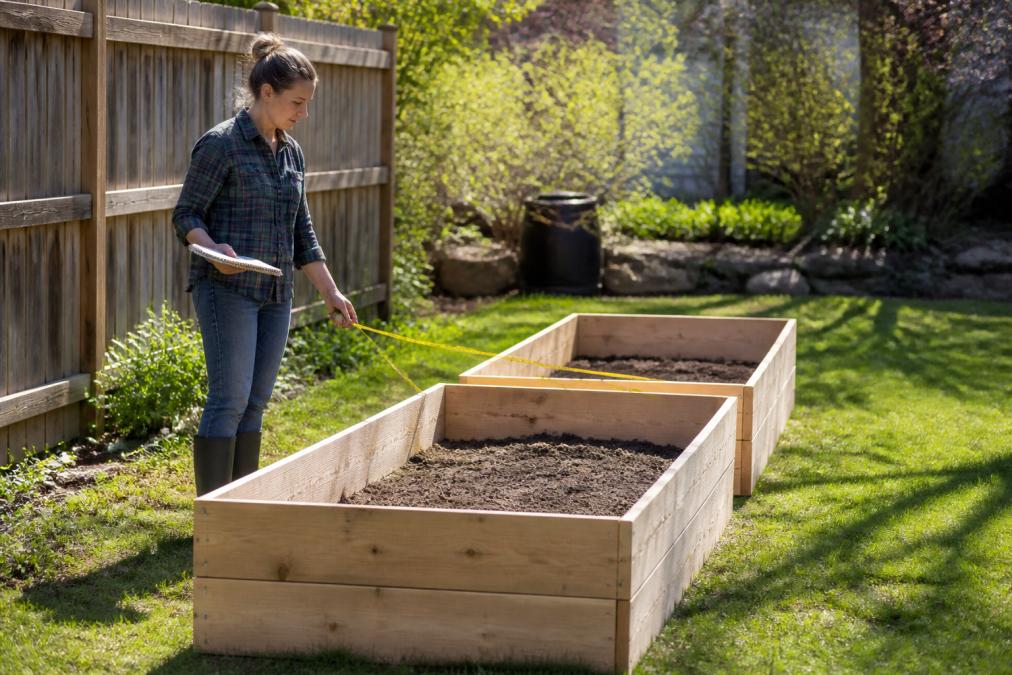
Raised beds win on drainage, soil control, and warmth. Containers win on portability and small-space flexibility. Neither is universally better.
| Setup | Best For | Minimum Depth | Watering Frequency |
|---|---|---|---|
| Raised bed | Ground space, long-term growing | 8-12 inches | Every 2-3 days |
| Large container | Balconies, renters, poor ground | 18-24 inches | Daily in summer |
| Small container | Herbs, greens, windowsills | 12 inches | Daily, sometimes twice |
| In-ground bed | Large plots, established soil | Native depth | Every 3-4 days |
Soil Preparation for Vegetables: Testing, Compost, and Amendments
Soil preparation for vegetables begins with a test, not a guess. A basic soil test tells you pH, nutrient levels, organic matter content, and often lead or other contaminant levels, and costs far less than replacing a failed crop.
How to Take a Soil Sample Correctly
The test is only as good as the sample. Common mistakes that produce misleading results:
- Sample too shallow. Push the auger or trowel 6 to 8 inches deep for garden beds. A 2-inch skim only tells you about the surface.
- Too few cores. Collect 8 to 12 random cores from across the bed, not one scoop from the middle.
- Wrong time. Sample in fall or early spring, before you amend. Sampling right after fertilizing reads the fertilizer, not the soil.
- Mixed zones. Keep separate samples for areas with different history, an old lawn, a former driveway, a bed that has been gardened for years.
Understanding Soil pH and Nitrogen-Phosphorus-Potassium
Soil pH controls how much of your nutrients the plant can actually reach. Most vegetables grow best between pH 6.0 and 7.0. Outside that range, nitrogen, phosphorus, and potassium can sit in the soil in forms roots cannot take up.
The three primary nutrients do distinct jobs:
- Nitrogen (N) drives leafy green growth. Too much and you get leaves at the expense of fruit.
- Phosphorus (P) supports root development and flowering.
- Potassium (K) handles overall plant health, disease resistance, and fruit quality.
Compost, Organic Matter, and Amendment Timing
Work in 2 to 4 inches of finished compost before planting. Compost improves both sandy and clay soils, feeds soil biology, and buffers pH over time. For a new bed, that is roughly 1 to 2 cubic yards per 1,000 square feet. For an established bed, a 1-inch topdressing each spring is usually enough.
Timing matters as much as rate:
- Fall amendment gives compost and any rock minerals months to integrate before spring planting.
- Spring amendment should happen 2 to 4 weeks before sowing so soil biology has time to wake up.
- Never amend frozen or waterlogged soil. You will compact it and destroy the structure you are trying to build.
Raised Bed and Container Soil Mixes
Filling raised beds or large containers means building soil, not amending it. A common blend that drains well and holds moisture:
- 60% topsoil for mineral structure and weight.
- 30% compost for fertility and biology.
- 10% perlite or coarse sand for drainage in containers.
Best Vegetables for Beginners: Easy Crops That Deliver
The best vegetables for beginners forgive inconsistent watering, shrug off minor pests, and produce within a single season. Start with these before you attempt anything fussy.
- Bush beans. Germinate fast, need no staking, and keep producing if you pick regularly.
- Zucchini. Almost aggressively productive. Two plants feed a household.
- Leaf lettuce. Ready in about 30 days and tolerates partial shade.
- Radishes. Mature in under a month, which makes them ideal for teaching succession planting.
- Cherry tomatoes. Far more forgiving than large slicing varieties.
- Swiss chard. Harvest leaf by leaf for months from one planting.
Heirloom Varieties vs. Hybrid Seeds
Heirloom varieties are open-pollinated cultivars with a documented history, and their seed breeds true, meaning saved seed produces plants like the parent. Hybrid seeds come from controlled crosses and often carry better disease resistance and uniformity, but saved seed from hybrids will not reproduce reliably.
Seed Storage Organization for Every Growing Season
Seed storage organization is the difference between a collection you actually use and a drawer of mystery envelopes. Seed viability drops fastest under heat and humidity, so the goal is simple: cool, dark, and dry.
WALERICA Seed Storage Organizer Kit →

Watering, Mulching, and Fertilizing Your Garden
Deep, infrequent watering beats daily light sprinkling every time. Roots follow moisture downward, so watering to a depth of 6 inches once or twice a week builds a deeper, more drought-tolerant root system than a daily surface spray.
Pest Control and Crop Rotation Basics
Crop rotation is the cheapest pest control available. Pests and soil-borne diseases build up where the same plant family grows season after season, so moving crops breaks the cycle.
| Family | Examples | Follow With |
|---|---|---|
| Nightshade | Tomato, pepper, eggplant | Legumes, greens |
| Legume | Beans, peas | Brassicas, roots |
| Brassica | Cabbage, broccoli, kale | Nightshades |
| Root | Carrot, beet, onion | Legumes |
| Cucurbit | Cucumber, squash, melon | Roots, greens |
| Allium | Onion, garlic, leek | Legumes, brassicas |
Integrated Pest Management for Beginners
Integrated pest management (IPM) is a decision ladder, not a product: solve the problem at the lowest rung that actually works, and only climb when the lower rungs fail. Most home garden problems never need to reach the top.
- Row cover (floating fabric) blocks cabbage moths, carrot flies, and flea beetles before they ever land. Lay it over hoops at planting and anchor the edges.
- Handpicking works for hornworms, potato beetles, and squash bug eggs. A bucket of soapy water nearby makes it fast.
- Copper tape or diatomaceous earth around stems deters slugs and snails.
- Yellow sticky traps catch aphids, whiteflies, and fungus gnats and double as an early warning system.
- Water spray knocks aphids and spider mites off leaves before they establish.
Common Home Garden Pests and What Actually Works
| Pest | Damage Sign | First Response |
|---|---|---|
| Aphids | Curled leaves, sticky residue | Water spray, then insecticidal soap |
| Tomato hornworm | Defoliated stems, dark droppings | Handpick at dusk |
| Cabbage worm | Holes in brassica leaves | Row cover at planting |
| Squash bug | Wilting vines, bronze eggs | Handpick eggs, row cover young plants |
| Slug | Irregular holes, slime trails | Copper tape, evening handpicking |
| Spider mite | Stippled, dusty-looking leaves | Strong water spray, raise humidity |
Disease Prevention Without Chemicals
Most vegetable diseases are fungal and start with wet foliage. Water at the base, space plants for airflow, and mulch to stop soil splash onto lower leaves. Rotate families, remove infected plants entirely rather than composting them, and choose disease-resistant varieties when a known problem exists locally. A soil test showing balanced pH and adequate calcium also prevents blossom end rot, which is a calcium uptake problem, not a disease.
Succession Planting for a Year-Round Harvest
Succession works only if you know what seed you have and when it was packed. A labeled, dated collection makes the schedule obvious; an unlabeled drawer makes it guesswork. For gardeners tracking many varieties across multiple sowings, a system like the WALERICA Seed Storage Organizer Kit keeps the whole rotation visible at a glance.
Frequently Asked Questions
What are the easiest vegetables to grow for beginners?
Lettuce, radishes, green beans, zucchini, and cherry tomatoes are among the most forgiving crops for new gardeners. They germinate quickly, tolerate a range of soil conditions, and produce within 30 to 60 days. Radishes can be ready in under a month, which gives beginners fast feedback. Start with two or three of these before expanding.
How much space do I need for a home vegetable garden?
A single 4-foot by 8-foot raised bed can feed a small household if you plant intensively. Leafy greens need about 6 inches between plants, while tomatoes and peppers need 18 to 24 inches. Container gardening works well for patios: one 5-gallon pot per tomato plant is a common rule. You do not need a large yard to start.
What is the best way to organize vegetable seeds for seasonal planting?
Sort seeds by planting season (cool-season vs. warm-season) and store them in labeled, airtight containers away from heat and moisture. A seed storage organization system with individual vials or envelopes keeps varieties separated and easy to find. The WALERICA kit holds up to 120 individual seed storage vials with labels, clips, tweezers, bottles, and a funnel included, so you can grab what you need for each succession without digging through loose packets.
How do I prepare soil for a new vegetable garden?
Test your soil pH first (most vegetables prefer 6.0 to 7.0), then work in 2 to 3 inches of compost to improve organic matter and drainage. Avoid tilling wet soil, which creates clods. If your native soil is heavy clay, a raised bed filled with a topsoil-compost mix solves drainage problems faster than amending in place.
How much sunlight do most vegetables need daily?
Fruiting crops like tomatoes, peppers, and squash need 6 to 8 hours of full sun. Leafy greens and root vegetables tolerate 4 to 6 hours. Track sun across your yard before planting: a spot that looks bright in morning may be shaded by afternoon. Reflected heat from walls can extend your growing season.
What are the essential tools for starting a home garden?
You need a hand trowel, a hori-hori or weeding knife, a watering can or hose with a gentle nozzle, gloves, and a soil thermometer. A wheelbarrow helps with compost. For seed starting, small pots or trays plus a light source prevent leggy seedlings. Add a storage organizer for seeds so you can find varieties when planting time arrives.
How do I protect my vegetable garden from pests without harsh chemicals?
Start with integrated pest management: rotate crops each year, encourage beneficial insects like ladybugs and parasitic wasps, and use row covers for vulnerable seedlings. Handpick large pests like tomato hornworms. Mulching reduces soil splash that spreads disease. Healthy soil and proper spacing cut pest pressure more than any spray.
Can I grow vegetables year-round in a cold climate?
Yes, with succession planting and season extenders. Cold-hardy crops like kale, spinach, and carrots can overwinter in many zones with row covers or cold frames. Start cool-season seeds in late summer for a fall harvest, and use frost dates to time plantings. A simple hoop house or cloche extends your growing season by 4 to 6 weeks on each end.
