

Seed Organizer Kit: Store 120+ Varieties Year-Round
Table of Contents
- Why a Seed Organizer Kit Transforms Your Garden
- How to Store Garden Seeds for Maximum Viability
- Long-Term Seed Storage Tips That Actually Work
- Choosing the Right Seed Packet Organizer Box
- Setting Up Your WALERICA Kit in Minutes
- Labeling and Inventory Systems for Seed Collections
- Common Mistakes to Avoid When Storing Seeds
- Frequently Asked Questions
Last Updated: September 2, 2026
Why a Seed Organizer Kit Transforms Your Garden
A seed organizer kit solves one of gardening's most persistent frustrations: chaos. You buy seeds throughout the year, toss them in drawers, forget what you planted, and come spring, half your collection has lost viability. A dedicated seed storage system changes this entirely. It keeps your seeds protected, labeled, and ready to plant exactly when you need them.
The real problem isn't that seeds are hard to store, it's that most gardeners never store them properly. Seeds are living things that demand specific conditions: cool temperatures, low humidity, and protection from light. A cardboard box in a warm closet isn't storage. It's a slow death sentence for your collection.
This is where a seed organizer kit enters the picture. Unlike generic storage containers, a proper kit is built specifically for seed preservation. It includes compartments designed to protect individual seed packets, labeling systems that track varieties and planting dates, and materials chosen to resist moisture and temperature fluctuations. For serious gardeners, whether you're managing 30 varieties or 120, a kit eliminates the guesswork and keeps your investment safe year after year.
At Moderno Top Shop, we've designed the WALERICA Seed Storage Organizer to address exactly these needs. The system holds up to 120 seed varieties, arrives ready to use, and includes everything you need to organize, protect, and label your collection. No assembly required. No missing pieces. Just open the box and start organizing.

How to Store Garden Seeds for Maximum Viability
The science of seed storage comes down to one principle: minimize stress. Seeds contain living embryos that remain dormant until conditions trigger germination. Temperature, moisture, and light are the three variables that either extend or shorten seed life.
Cool storage extends viability dramatically. Most vegetable seeds remain viable for 3-5 years when stored at room temperature. Drop that temperature to 40°F, and viability extends to 5-10 years or longer. This is why refrigeration works, it slows the metabolic processes that age seeds. However, refrigeration only works if you prevent temperature swings. Taking seeds in and out of a cold fridge exposes them to condensation, which introduces moisture and kills viability faster than anything else.
Low humidity is equally critical. Seeds absorb moisture from the air, and once that moisture enters the seed coat, germination begins whether you want it to or not. Excess humidity triggers mold, fungal growth, and rot. The ideal humidity range for long-term seed storage is 30-40 percent relative humidity. Most homes hover around 50-60 percent, which is why a sealed container with a desiccant (silica gel or another moisture-absorbing material) makes such a difference.
Light exposure degrades seeds, particularly those with light-sensitive germination triggers. Seeds stored in clear plastic containers exposed to sunlight lose viability faster than those kept in darkness. This is a minor factor compared to temperature and humidity, but it matters over years.
The WALERICA kit addresses all three variables. Individual vials protect seeds from ambient humidity, the sealed container minimizes air exchange, and the opaque design blocks light. Pair this with cool storage, a basement shelf, an unheated closet, or a refrigerator, and your seeds stay viable for years.
Long-Term Seed Storage Tips That Actually Work
Long-term seed storage isn't complicated, but it requires consistency. Here's what actually moves the needle:
Invest in a desiccant. Silica gel packets are cheap and effective. A single packet inside your seed organizer absorbs moisture continuously. Replace desiccant packets every 6-12 months, or whenever they feel damp to the touch. This single step prevents more seed deaths than any other factor.
Store in a cool location. A basement, unheated garage, or refrigerator is ideal. Avoid kitchen cabinets near stoves or sunny windowsills. Temperature stability matters more than absolute cold. A cool closet that stays 50-65°F year-round beats a freezer where seeds thaw and refreeze with seasonal temperature swings.
Label everything with dates. Write the seed variety and the date you stored it. This simple habit tells you at a glance which seeds are oldest and should be planted first. Seeds don't go bad on a specific date, but older seeds germinate less reliably. Planting your oldest seeds first maximizes success rates.
Keep an inventory. Track what you have, how many seeds per packet, and where you stored them. A simple spreadsheet works fine. Digital inventory systems exist, but a handwritten list in a notebook is just as effective. The point is knowing what you have without opening every container.
Don't mix storage methods. If you're using a kit, use it consistently. Storing some seeds in the kit and others in loose packets defeats the purpose. The kit works because it creates a controlled microclimate. Mixing storage methods means some seeds get protection and others don't.
Avoid the freezer unless you're serious. Freezing extends seed life significantly, but only if done correctly. Seeds must be completely dry before freezing, and they must never thaw. One freeze-thaw cycle can destroy viability. If you're freezing seeds, keep them sealed in airtight containers with desiccant, and leave them frozen until you're ready to plant.
A common mistake is overthinking this. You don't need elaborate climate control. You need a sealed container, a cool location, and desiccant. That's 95 percent of the solution.
Choosing the Right Seed Packet Organizer Box
Not all seed organizers are created equal. The right choice depends on how many varieties you grow, how long you want to store seeds, and what materials you trust.
Storage Capacity and Expandability
Start by counting your current seed collection. If you have 20 varieties, a small organizer with 30-50 slots is sufficient. If you have 100+ varieties or plan to grow your collection, you need something bigger. The WALERICA kit holds 120 individual vials, which covers most serious home gardeners and small commercial operations.
Expandability matters if you plan to grow your collection. Some organizers are fixed-size boxes with no room to add compartments. Others use modular designs where you can add storage units as your collection grows. The WALERICA system uses individual vials that fit into a larger case, so you can add more vials without replacing the entire organizer.
Consider your growing space too. A large organizer takes up shelf space. If you're working with limited room, a compact organizer that holds 60-80 varieties might be smarter than one that holds 120. You can always upgrade later.
Material Comparison: Plastic vs. Glass
This choice affects durability, weight, visibility, and cost.
Plastic organizers are lightweight, affordable, and durable. They resist breaking if dropped, which matters if you have kids or pets in your garden space. Plastic doesn't shatter, and it's easy to clean. The downside is that some plastics degrade over time, especially when exposed to sunlight. Lower-quality plastics can crack or become brittle after a few years. Higher-quality polypropylene and polycarbonate plastics last much longer.
Glass organizers offer superior protection against light and temperature fluctuations. Glass doesn't degrade, doesn't off-gas, and provides a sealed environment that's more stable than plastic. You can see inside without opening the container, which is convenient for quick inventory checks. The tradeoffs are weight and fragility. Glass is heavier to move, and if dropped, it shatters completely, potentially destroying seeds inside.
For most home gardeners, a quality plastic organizer is the practical choice. It's durable enough for years of use, lightweight enough to move easily, and affordable enough to replace if needed. The WALERICA kit uses high-grade plastic that resists warping and maintains a tight seal over years of storage.
If you're storing rare or heirloom seeds you never want to lose, glass offers better long-term protection. The extra weight and fragility are worth the peace of mind.
Setting Up Your WALERICA Kit in Minutes
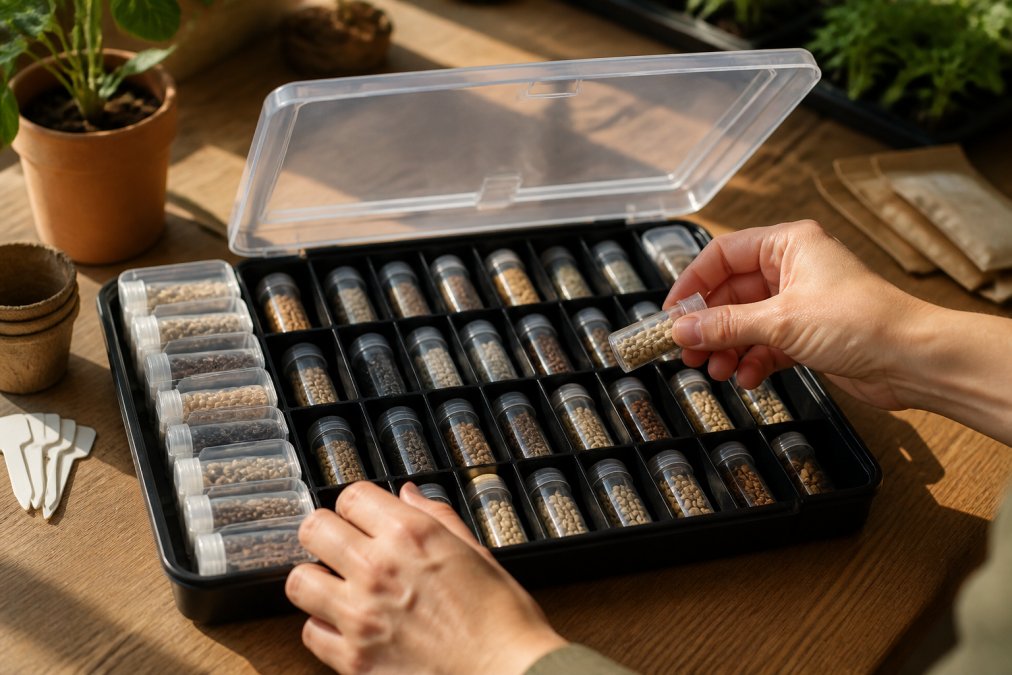
The WALERICA Seed Storage Organizer arrives fully assembled. There's no building required, no missing pieces, no frustration. Setup takes about five minutes from box to ready-to-use.
Step 1: Remove the kit from packaging. The organizer comes in a protective box. Remove it carefully and inspect for any damage during shipping. The case should feel solid and the lid should seal tightly without forcing.
Step 2: Add desiccant packets. Place one or two silica gel packets inside the main case before adding seeds. This is the single most important step for long-term protection. The desiccant absorbs ambient moisture and keeps the interior dry.
Step 3: Organize your seeds. Remove seeds from their original packets and place them into the individual vials. The kit includes enough vials for 120 varieties. If you have fewer seeds, leave extra vials empty for future purchases.
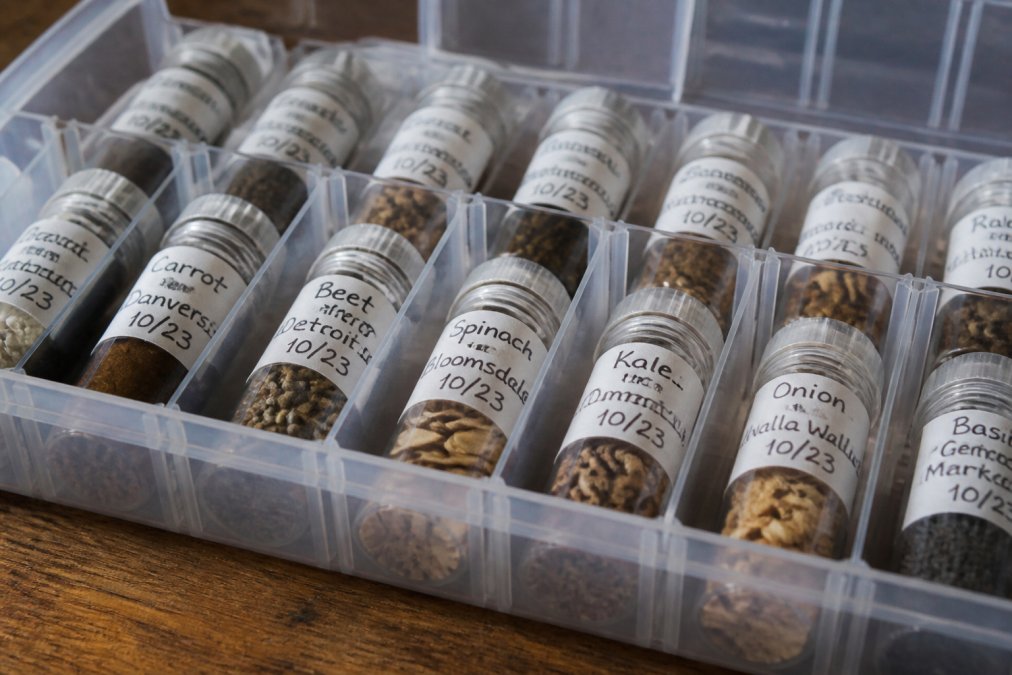
Step 4: Label each vial. Use the included labels or waterproof tape to write the seed variety and the date stored. Be specific: "Tomato - Early Girl - Stored 9/2026" is better than just "Tomato." This habit saves confusion later.
Step 5: Close the lid and store. Seal the organizer tightly and place it in a cool location. A basement shelf, unheated closet, or refrigerator all work well. Avoid direct sunlight and temperature-unstable areas.
The entire process takes less time than it takes to drink a cup of coffee. The kit's design eliminates the friction that makes seed storage feel like a chore. Everything you need is included. Everything fits. Everything works.
Labeling and Inventory Systems for Seed Collections
A labeled seed is a usable seed. An unlabeled seed is a mystery you'll probably throw away.
The labeling system you choose determines how useful your organizer becomes. Basic labeling, just the seed variety, tells you what you're planting. Better labeling includes the variety, the date stored, and the source (if you saved seeds from your own plants). The best labeling includes all of that plus germination rate notes if you've tested seeds before.
The WALERICA kit includes labels and a waterproof pen. Write clearly and make labels stick properly. Smudged or peeling labels defeat the purpose. If you're using handwritten labels, write in permanent marker or waterproof ink. Pencil fades and regular pen runs if the vial gets damp.
Digital inventory systems add another layer of usefulness. A simple spreadsheet tracks what you have, how many seeds per variety, when you stored them, and when you plan to plant them. Some gardeners photograph their organized kit and keep the image on their phone for reference when shopping or planning gardens.
The real value of labeling appears years later. You open your organizer in spring, see exactly what you have, and grab the seeds you need. No guessing. No wasted time digging through unlabeled packets. No planting the wrong variety by accident.
A common mistake is skipping labels to save time. Don't. The five minutes spent labeling saves hours of confusion later. Label everything as you organize.
Common Mistakes to Avoid When Storing Seeds
Most seed storage failures come from a handful of preventable mistakes.
Storing seeds in the original paper packets. Paper packets are designed for short-term storage at retail. They breathe, which means moisture moves in and out freely. For long-term storage, transfer seeds to sealed vials or airtight containers. The WALERICA kit does this automatically.
Keeping seeds in warm locations. A kitchen cabinet above the stove, a sunny windowsill, or a warm closet shortens seed life dramatically. Temperature stability matters more than absolute cold, but warm temperatures accelerate aging. Move seeds to the coolest, darkest location available.
Forgetting to use desiccant. This is the single most common mistake. Desiccant is cheap, effective, and essential. A kit without desiccant is just a box. Add desiccant and you've created a protective microclimate that keeps seeds viable for years.
Opening the organizer constantly. Every time you open the kit, warm air enters and moisture levels spike temporarily. Minimize opening. Know what you have before you open. Close the lid quickly. This matters more than most gardeners realize.
Mixing old and new seeds. Old seeds germinate less reliably than fresh seeds. Keep them separate or plant old seeds first. Mixing them means you'll plant unreliable seeds alongside fresh ones and never know which failed.
Storing seeds in the refrigerator without protection. A refrigerator is cold, but it's also humid and subject to temperature swings every time you open the door. Seeds must be sealed in an airtight container with desiccant before refrigerating. Otherwise, the cold doesn't help.
Assuming all seeds last the same length of time. They don't. Onion seeds last 1-2 years. Tomato seeds last 4-6 years. Carrot seeds last 3-4 years. Some seeds are naturally short-lived. Knowing this helps you prioritize planting older seeds before they lose viability.
The difference between a chaotic seed collection and an organized one isn't complexity, it's a single decision to store seeds properly. A seed organizer kit removes the guesswork. It provides the structure, the compartments, and the protection that seeds need to stay viable year after year.
The WALERICA Seed Storage Organizer from Moderno Top Shop does all of this. It holds up to 120 varieties, arrives ready to use, and includes everything you need to organize, label, and protect your seeds. At $49.99, it costs less than replacing a single season of seeds lost to poor storage. Get your WALERICA kit and transform seed storage from a frustration into a system that works.
Frequently Asked Questions
What is the best way to store garden seeds long-term?
Store seeds in an airtight container in a cool, dry location between 40-50°F with humidity below 50%. The WALERICA Seed Organizer Kit provides hermetic storage with individual vials that protect each variety separately. Include silica gel packets to absorb moisture, and keep seeds away from direct sunlight and temperature fluctuations. Properly stored seeds remain viable for 3-5 years or longer.
How do I label my garden seeds for better organization?
Use waterproof labels or adhesive tags to mark each seed packet with the variety name, planting date, and expected harvest date. The WALERICA kit includes quality labels designed for durability. Write with permanent marker to prevent fading. Organize alphabetically or by planting season for quick reference during spring and summer gardening.
Can I use a seed packet organizer box for small collections under 50 varieties?
Yes. The WALERICA Seed Organizer holds 120 vials but works perfectly for smaller collections. You'll have room to grow your seed library without upgrading later. The modular design means you only fill the compartments you need, keeping your collection compact and accessible.
Do plastic seed organizers protect seeds from humidity as well as glass containers?
Quality plastic organizers with hermetic seals offer comparable moisture protection to glass when paired with silica gel desiccants. The WALERICA kit uses durable, airtight plastic vials that resist humidity penetration. Glass offers superior UV protection, while plastic is more portable and shatter-resistant. Both materials work when sealed properly and stored in a cool, dry location.
