
Why Professional Seed Organizers Transform Home Gardening
Table of Contents
- Why Professional Seed Organizers Matter for Your Garden
- How to Store Vegetable Seeds Long Term
- Best Seed Storage Containers 2026
- Seed Organization Tips for Home Gardeners
- Protection Against Moisture, Pests, and Temperature Fluctuations
- DIY Storage vs. Professional Organizers: What Actually Works
- Getting Started With Your Seed Collection
- Frequently Asked Questions
Last Updated: September 19, 2026
Why Professional Seed Organizers Matter for Your Garden
Growing vegetables from seed gives you control over your garden's future. But that control means nothing if your seeds deteriorate before planting season arrives. Professional seed organizers solve a problem most home gardeners face: seeds scattered across drawers, forgotten in envelopes, exposed to moisture and temperature swings that destroy germination rates.
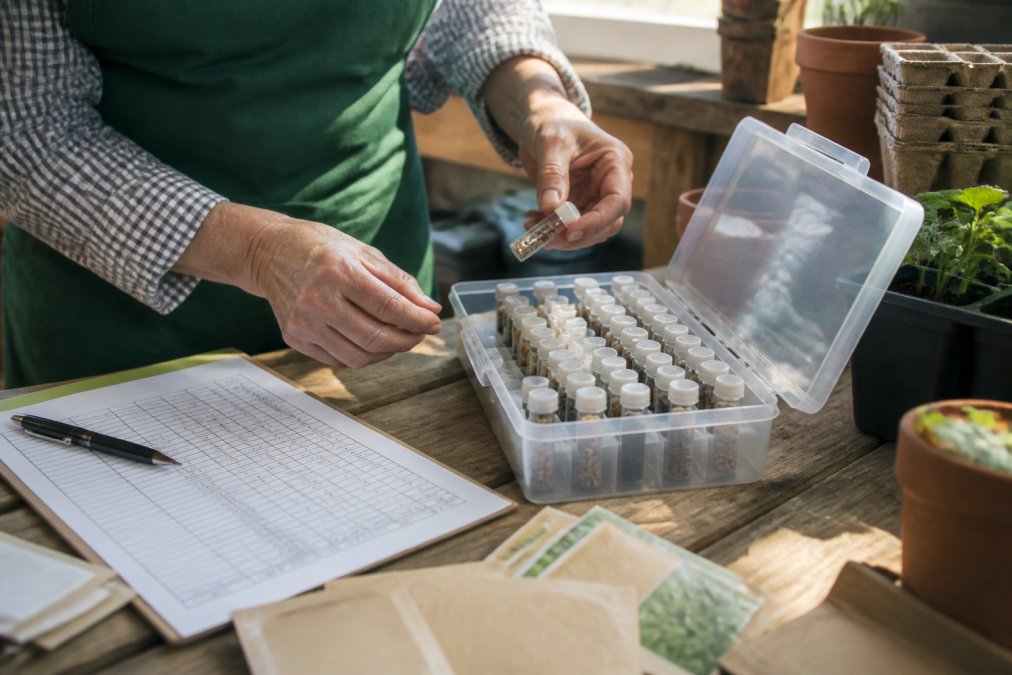
Professional seed organizers transform seed storage from an afterthought into a system. The WALERICA Seed Storage Organizer holds up to 120 varieties in individual vials, keeping each seed type separated, labeled, and protected. A $50 investment prevents losing seeds worth far more, both in money and in heirloom varieties you've been saving.

Professional organizers prevent pest access and enable inventory tracking. When you can see what you have and when it expires, you stop wasting money on duplicates and plan seasons strategically.
How to Store Vegetable Seeds Long Term
Vegetable seeds remain viable for years when stored correctly. Temperature, humidity, and light determine germination success; professional seed organizers address all three.
Airtight containers preserve viability better than exposed seeds.
Label every vial with variety, planting date, and expected germination window. Unlabeled packets become mystery seeds halfway through spring, a costly mistake when planning crop rotation. The WALERICA kit includes labels and tweezers designed for organizing small seed vials without damage.
Silica gel packets absorb excess moisture that triggers premature germination or mold. Place them in sealed containers with seeds to prevent moisture accumulation during temperature fluctuations.
Best Seed Storage Containers 2026
The right container shapes seed survival. Glass, plastic, and metal each offer different advantages depending on moisture permeability, light transmission, and seed size.
Glass Containers: Visibility vs. Fragility
Glass provides visibility and blocks UV light effectively, but is heavy and conducts temperature changes faster than other materials.
Plastic Containers: Permeability Trade-offs
The WALERICA system uses polypropylene vials with individual snap-fit lids, creating separate moisture barriers for each seed type and matching vial sizes to seed sizes.
Metal Tins: Maximum Protection with Limitations
Metal tins offer protection against pests and moisture and insulate against temperature swings. The downside is opacity, you's can't see contents without opening the tin.
Matching Container Type to Seed Size and Collection Strategy
Seed size determines optimal container dimensions. Tiny seeds require minimal air space; large seeds need appropriately sized vials.
For under 50 varieties, a single plastic organizer works efficiently. For 50-120 varieties, a modular system prevents needing separate solutions.
Seed Organization Tips for Home Gardeners
Organization systems fail when they're too complicated or when they treat all seeds as static inventory. The most effective approach combines straightforward categorization with dynamic workflow management, tracking not just what you have, but when to use it and when to retire it.
Categorization: Beyond Alphabetical Order
Start by grouping seeds by plant type: vegetables, herbs, flowers. Within each group, organize by planting season rather than alphabetically. This reduces search time and aligns your physical organization with your actual planting calendar. A spring gardener doesn't need to find tomato seeds in July; organizing by season means your most-needed seeds are front-and-center during their planting window. When you can see your entire collection at a glance, you make better decisions about what to plant next season and avoid duplicate purchases of seeds you already have in abundance.
Expiration-Date Rotation: The Missing Workflow
Most gardeners organize by variety but ignore the critical factor: seed viability windows. Seeds don't all expire at the same rate. A professional organization system must account for this variation. Use a "first in, first out" (FIFO) rotation method: place newly purchased or saved seeds at the back of your organizer, and move older seeds forward. This ensures you plant the oldest seeds first, before viability drops below acceptable germination rates.
Label each vial with both the harvest/purchase date and the recommended planting deadline. This transforms your seed collection from a static storage system into a managed inventory.
Germination-Cycle Tracking: Data-Driven Planting
Labeling consistency matters more than you'd think, but it must go beyond variety name and date. Use a standardized format for every seed packet: variety name, planting date, source, expected germination window, and germination success rate from previous seasons. Include notes about performance: "Germinated in 5 days at 70°F," or "Poor germination in cool spring 2025, use heat mat next time." This transforms your seed collection into a growing record that improves your gardening each year.
A simple spreadsheet or digital tracker records quantities, planting dates, germination success rates, and yield notes. Update it after each planting season. This data guides future purchases and prevents overbuying seeds you already have in abundance.
Inventory Management by Germination Rate
Seeds don't fail suddenly; they decline gradually. Professional organizers account for this by maintaining a "germination rate" field in their inventory. When you test a batch of seeds, record the actual germination percentage. Seeds below 70 percent germination should be planted more densely to compensate, or retired if they fall below 50 percent. This prevents the frustration of planting seeds that won't germinate reliably.
Seasonal Workflow Integration
Organize your physical storage to match your planting calendar. In spring, move cool-season crop seeds (lettuce, peas, spinach) to the front. In early summer, rotate to warm-season crops (tomatoes, peppers, squash). In fall, bring cool-season seeds forward again. This prevents the common mistake of discovering in May that you never planted your spring lettuce because the seeds were buried behind summer varieties.
Maintain a printed or digital planting calendar that references your seed inventory. This calendar should show: variety name, planting date, days to germination, days to maturity, and expected harvest date. When you can see this timeline alongside your organized seeds, you plant strategically rather than reactively.
Protection Against Moisture, Pests, and Temperature Fluctuations
Seeds fail for three reasons: moisture triggers rot and premature germination, pests consume seeds before planting, and temperature swings damage embryos inside the seed coat.
Moisture control is the primary challenge. Hermetic containers create a seal that prevents humidity from entering. The WALERICA organizer's individual vials maintain separate moisture barriers, so if one vial develops condensation, it doesn't affect others.
Pest prevention requires physical barriers. Insects and rodents can't penetrate sealed plastic containers. Store your organizer in a location pests can't access, not on the floor where mice might find it, and not in damp basements where insects thrive. A cool closet or pantry shelf works better than a garage or shed.
Temperature stability prevents the expansion and contraction that damages seeds.
DIY Storage vs. Professional Organizers: What Actually Works
Many gardeners start with DIY solutions: repurposed jars, plastic bags, old envelopes. These fail for predictable reasons.
Unmarked containers create confusion. You plant something, wait weeks, and discover it's the wrong variety. Plastic bags tear and lose their seal. Glass jars allow light to degrade seeds. Envelopes absorb moisture and fall apart.
Professional organizers eliminate these problems through design. The WALERICA system includes 120 individual vials, labels, clips, tweezers, and a portable box. Everything you need arrives ready to use. Setup takes minutes. You don't need to source containers, find labels, or figure out how to keep things organized.
The real cost comparison isn't DIY versus professional, it's the cost of organization versus the cost of disorganization. Professional systems pay for themselves through reduced seed loss alone.
Getting Started With Your Seed Collection
Building an organized seed collection begins with assessing what you have. Gather all seeds currently scattered across your home. Check germination dates. Discard anything showing visible damage. This audit reveals your actual collection size and what you actually grow.
Next, decide on your system. For collections under 50 varieties, a basic organizer works fine. For 50-120 varieties, a system like WALERICA that holds 120 vials prevents needing multiple organizers. The WALERICA kit includes everything: vials, labels, tweezers, a funnel, and clips to keep everything organized.
Implement your labeling system immediately. Write variety names, planting dates, and source information on every vial. This takes 30 minutes for a full collection but saves hours searching for specific seeds later. Include germination percentages from previous seasons if you have that data.
Store your organizer in a cool, dark location. Keep a printed inventory list nearby. Update it after each planting season with notes about performance and germination rates.
The investment in professional organization pays dividends. You'll plant more strategically, waste fewer seeds, and maintain better records of what works in your garden. Professional seed organizers transform seed saving from a chaotic hobby into a sustainable practice.
Frequently Asked Questions
What are the main benefits of using professional seed organizers?
Professional seed organizers protect your seed collection from moisture, pests, and temperature fluctuations that damage viability. They keep varieties labeled and easy to find during planting season, eliminate clutter, and make inventory management simple. With dedicated storage vials and built-in labeling systems, you spend less time searching and more time gardening. A kit like the WALERICA organizer holds up to 120 varieties in one portable box, making it ideal for home gardeners managing multiple seed types.
How do professional seed storage systems extend seed viability?
Seeds remain viable longer when stored in cool, dry, dark conditions with stable humidity. Professional organizers use moisture-resistant designs to maintain these conditions. Individual vials isolate each seed variety. Temperature control and protection from light exposure slow the natural aging process of seeds.
Is a professional seed organizer worth the cost compared to using boxes I already have?
Professional organizers cost around $49.99 and include everything needed: vials, labels, clips, tweezers, and a funnel.
What should I look for in a high-quality seed organizer?
Choose a container that is water-resistant, portable, and includes individual vials with secure closures. The best organizers include labeling supplies and tweezers for handling small seeds. Capacity matters: if you plan to expand your collection, select one that holds at least 100-120 varieties. Look for durable materials that protect against moisture and pests. The WALERICA kit includes all these essentials in one system designed for both home gardeners and greenhouse use.
A disorganized seed collection wastes money and limits what you can grow. The WALERICA Seed Storage Organizer solves this by holding 120 varieties in individual, labeled vials with complete protection against moisture and pests. It includes everything you need, vials, labels, tweezers, and a portable box, ready to use immediately. Get your WALERICA kit today and transform how you manage your seed collection for every planting season.
